Two Ghanaian Americans Win U.S. House Races. What Comes Next for U.S.–Africa Trade?
Adrian Boafo will represent Maryland in Congress, and Gabe Amo returns for Rhode Island. Their victories put a timely question before the African diaspora: how can growing civic representation help bring practical trade and investment issues before Congress?


Adrian Boafo
Maryland's 5th Congressional District · Succeeding Rep. Steny Hoyer
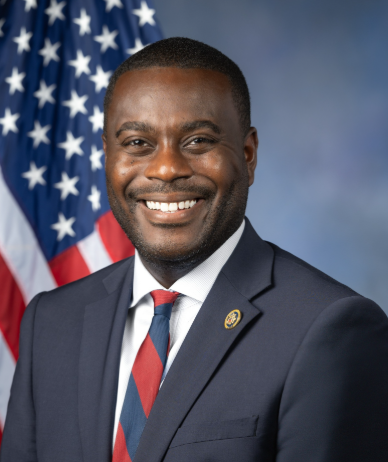
Rep. Gabe Amo
Rhode Island's 1st Congressional District · Fmr. White House Intergovernmental Affairs
In the November 3 midterm elections, Maryland voters elected Adrian Boafo to succeed retiring Rep. Steny Hoyer in the 5th Congressional District, while Rhode Island voters returned Rep. Gabe Amo to the House from the 1st District.
Boafo is the son of Ghanaian immigrants. Amo grew up in Pawtucket, Rhode Island, the son of a Ghanaian father and a Liberian mother, and first entered Congress following a 2023 special election.
Their victories are significant for the communities they will represent. They also form part of a wider story about the growing civic presence of African immigrant communities and their children in American public life.
At least four Ghanaian Americans won or retained elected offices in the November 3 elections. In addition to Boafo and Amo at the congressional level, Ghanaian-American state lawmakers Bernice Mireku-North and Allen Buansi also won their respective races.
But representation alone is not the end of the story.
For the African diaspora, the more consequential question is what growing political participation can eventually mean for the issues that connect American communities with African markets. And one of those issues is trade.
Representation is only the beginning
Boafo and Amo did not reach Congress by campaigning primarily as African-diaspora candidates. They built political careers serving American constituencies.
Boafo previously served on the Bowie City Council before entering the Maryland House of Delegates, where he served on the Economic Matters Committee. His professional and political background has included work involving business, labor, and government affairs.
Amo built his career across Rhode Island and Washington. Before entering Congress, he worked in the White House Office of Intergovernmental Affairs, connecting state and local officials with the federal government.
Those backgrounds matter.
The strongest case for deeper U.S.–Africa economic engagement is not that it benefits Africa alone. It is that well-designed trade and investment relationships can also benefit American workers, exporters, manufacturers, investors, and communities.
A Maryland business that finds a new customer in Ghana benefits Maryland. A Rhode Island manufacturer that gains access to an African market benefits Rhode Island. An African supplier that becomes part of a resilient American supply chain can create economic value on both sides of the Atlantic.
That is where diaspora representation can become particularly consequential.
Ghana's garment industry offers a test case

The timing is particularly interesting for Ghana. In September, the U.S. House voted 370–48 for legislation extending the African Growth and Opportunity Act through the end of 2028. Amo voted in favor.
AGOA provides eligible sub-Saharan African countries preferential access to the U.S. market for qualifying products. For Ghana, the opportunity is not theoretical.
In November, Ghana's Minister for Trade, Agribusiness and Industry announced plans to establish three garment factories in 2027 as part of the country's effort to take greater advantage of AGOA and expand manufacturing and exports.
The same discussion, however, highlighted the other side of market access. A U.S. diplomatic representative raised concerns involving access for American companies, government procurement, and other trade barriers affecting Ghana's continued eligibility.
That tension illustrates something important about modern trade relationships. Market access has to work in both directions. African countries want better access to American customers. American companies want credible access to African markets. The opportunity for diaspora networks is to help make those relationships more commercially actionable.
From policy to transaction
Consider a Ghanaian garment manufacturer trying to enter the United States. The company may have production capacity but still need a U.S. buyer; working capital to fulfill an initial order; help understanding AGOA rules; packaging and labeling guidance; logistics support; quality assurance; distribution relationships; or introductions to retailers.
Now consider the American side. A U.S. importer may want to diversify its sourcing but need confidence that an African supplier can deliver the required volume, quality, and schedule.
This is where trade organizations, diaspora chambers, industry associations, and platforms such as USAFRICA can play a practical role. They can identify businesses. They can document obstacles. They can connect buyers and suppliers. And where a recurring policy barrier prevents transactions from moving forward, they can give congressional offices something concrete to examine.
The conversation changes from 'Congress should support Africa' to 'Here are American and African companies prepared to transact. This specific financing, regulatory, or market-access obstacle is preventing the deal.' That is a much stronger basis for commercial diplomacy.
The bigger signal: a growing African-diaspora political constituency
Boafo and Amo should also be viewed within a broader trend. The African diaspora in the United States is becoming increasingly visible across business, academia, technology, medicine, public policy, and elected government.
Political influence rarely emerges from representation alone. It develops when three things begin reinforcing one another: population + organization + participation. Elected officials are one part of that infrastructure. Business associations are another. Professional networks, community institutions, investors, researchers, and civic organizations also matter.
The long-term opportunity is therefore larger than celebrating individual electoral victories. It is developing a more organized constituency capable of articulating its interests within American political and economic institutions. For U.S.–Africa relations, that could eventually create a stronger domestic constituency for issues including trade, investment, small-business exports, development finance, immigration, critical minerals, technology, infrastructure, and commercial diplomacy.
From Maryland to Liberia: local government can matter too
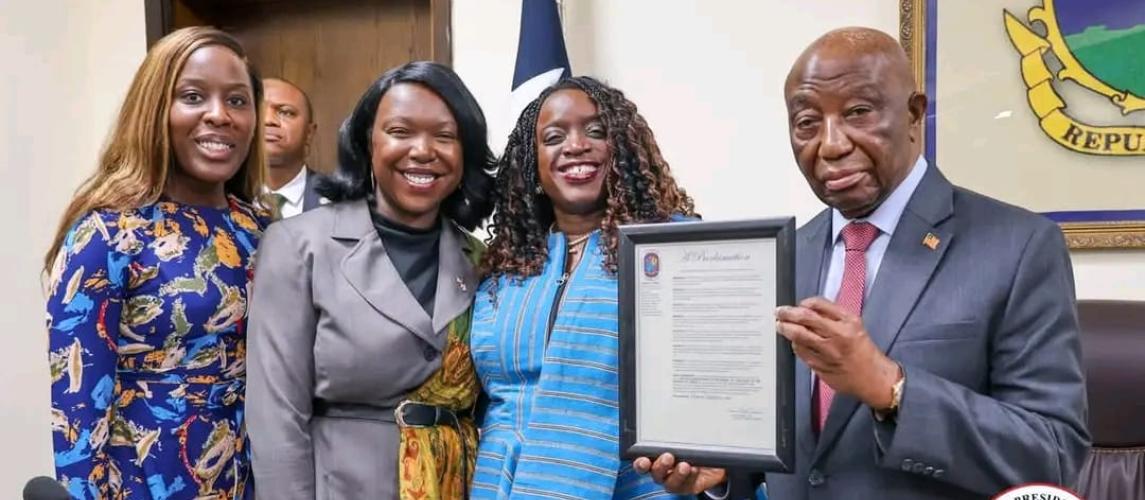
Congress is not the only place where this is happening. USAFRICA Signal recently examined Prince George's County Council Member Wala Blegay's trade mission to Liberia. That engagement provides another model of diaspora-linked commercial diplomacy.
Rather than limiting the relationship to ceremonial engagement, the delegation brought specific commercial proposals into conversations in Monrovia, including opportunities involving fruit processing, cold storage, and export packaging.
That is important because U.S.–Africa economic engagement does not have to begin in Washington. States, counties, and cities contain businesses looking for new markets. They contain diaspora populations with relationships and market knowledge. They contain universities, investors, and economic-development institutions. Connecting those local assets with African markets can create another layer of commercial diplomacy.
What USAFRICA Signal will watch
The next Congress will provide an opportunity to see whether growing African-diaspora representation begins translating into greater engagement with U.S.–Africa economic issues. USAFRICA Signal will watch committee assignments and how they evolve; whether African producers convert extended market access into actual exports before the current AGOA authorization expires; whether policymakers address the practical barriers facing U.S. companies entering African markets and African companies entering the United States; whether diaspora business networks become more effective at bringing commercially actionable proposals before elected officials; whether states, counties, and cities develop more direct trade and investment relationships with African markets; and whether development finance, export finance, and private investment become more closely connected to U.S.–Africa trade policy.
The question
Political representation matters. But representation becomes economically consequential when it helps convert relationships into institutions, policy into market access, and opportunity into transactions.
As Adrian Boafo prepares to enter Congress and Gabe Amo returns for another term, the African diaspora has reason to celebrate. It also has reason to organize.
Which deals could create jobs or open new markets on both sides of the Atlantic — and what specific obstacle is keeping them from moving forward?
That is where representation can begin becoming economic influence.
Written by
Gbenga Omotayo
Contributing Editor, USAFRICA Signal
Gbenga Omotayo is a contributing editor at USAFRICA Signal, writing on trade policy, market access, and the strategic architecture of the U.S.–Africa corridor.
View on LinkedInEvent Gallery & Official Documentation (2)
About this intelligence
- Vertical
- Diaspora
- Format
- Analysis
- Published
- November 16, 2026
- Estimated Read
- 7 minutes
- Jurisdictions
- United States, Ghana
Stay ahead of major policy, trade, and capital developments in the corridor.
Browse All Intelligence